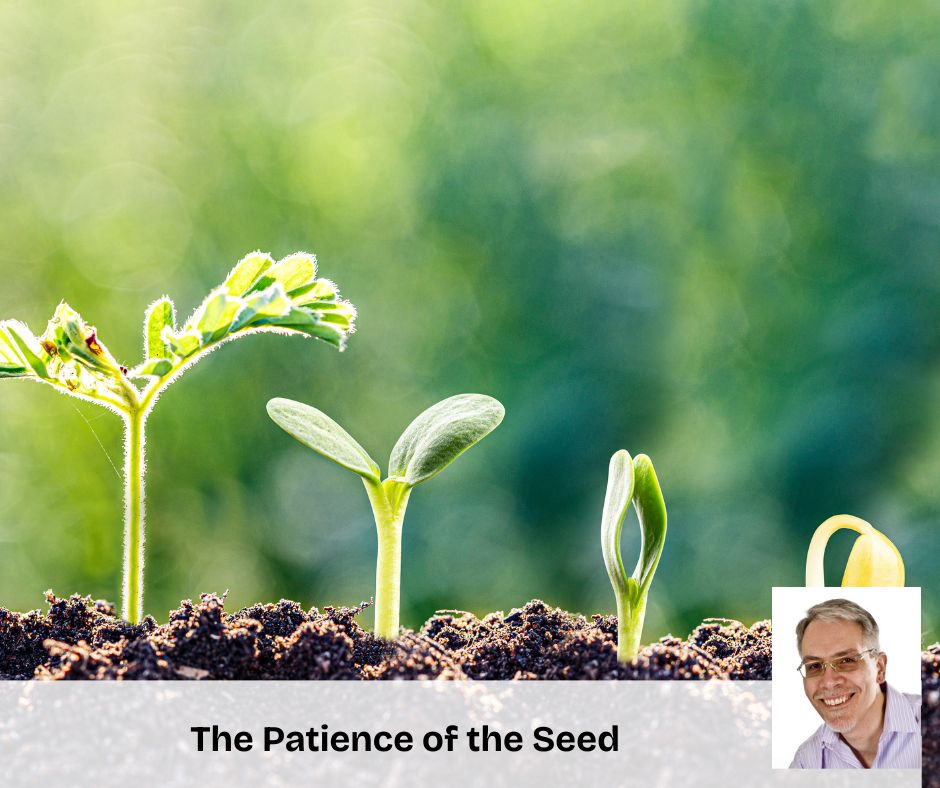
In a world accustomed to instant gratification, the concept of “quick fixes” often permeates our expectations, even in the realm of healing. We seek immediate relief, rapid transformations, and visible results. However, true energetic healing and personal growth, particularly through a practice like Reiki, rarely conform to this fast-paced mentality. Instead, they unfold with the gentle, deliberate wisdom of nature, mirroring the patience of the seed.
Just as a tiny seed holds the complete blueprint for a majestic tree, but requires time, nourishment, and the right conditions to grow, so too does deep healing. It’s an organic, cumulative, and often subtle process that respects the body’s innate intelligence and the soul’s unique timeline. For both practitioners and recipients of Reiki, embracing this “patience of the seed” mentality is crucial for fostering realistic expectations, cultivating genuine progress, and ultimately, realising the enduring power of energetic healing.
Why True Healing Isn’t a “Quick Fix”
Layered Healing: Our energetic imbalances, emotional wounds, and physical ailments often develop over years, maybe even generations. Healing them involves gently peeling back layers, rather than a single dramatic removal.
Integration Takes Time: Energetic shifts need time to integrate into the physical body, the emotional landscape, and the mental patterns. Rushing this process can be jarring or unsustainable.
Subtle Shifts Accumulate: Many profound changes in energetic healing are subtle at first. A slight reduction in anxiety, a deeper breath, a moment of clarity… these small shifts are significant building blocks that accumulate over time.
Body’s Innate Wisdom: The body knows best how and when to heal. Forcing or intellectualising the process can interfere with its natural intelligence. Reiki supports this intelligence, but doesn’t dictate its pace.
Personal Growth is a Journey: True healing often involves personal growth, shedding old patterns, and cultivating new perspectives. This is a journey, not a destination, and it requires consistent, gentle nurturing.
Cultivating the “Patience of the Seed” in Your Reiki Practice
Whether you are a practitioner or a recipient, adopting this mindset will transform your relationship with the healing process:
Release Attachment to Outcome:
For practitioners, focus on being a clear channel for Reiki energy, and trust that the energy will go where it is needed most, at the pace that is optimal for the recipient. Let go of the need for immediate, dramatic results.
For recipients, attend sessions with an open heart, but without rigid expectations for specific changes. Allow the energy to work as it needs to.
Commit to Consistency, Not Intensity:
Just as a seed needs consistent water and light, regular self-Reiki and/or consistent professional sessions are far more impactful than infrequent, intense bursts. Small, steady efforts yield greater long-term results.
Encourage clients to commit to a series of sessions rather than just one, explaining the cumulative nature of energetic healing.
Celebrate Small Shifts:
Learn to recognise and appreciate the subtle signs of healing: a quieter mind, better sleep, a moment of unexpected peace, a clearer perspective, a feeling of lightness. These are the sprouts emerging from the seed.
Keep a “healing journal” to track these seemingly small improvements over time, helping to make the gradual progress visible.
Connect with Nature’s Rhythms:
Spend time observing nature: the slow growth of plants, the changing seasons. This can help to ground you in the understanding that everything unfolds in its own perfect time.
Apply this wisdom to your own body and healing journey, trusting its inherent wisdom and cycles.
Practise Compassionate Self-Inquiry:
When impatience arises, pause and explore its roots. Is it fear? A desire for control? Gently send Reiki to these feelings.
Remind yourself that healing is a journey of unfolding, not a race to a finish line.
Trust the Wisdom of the Energy:
Reiki energy works intelligently and always for the highest good. Trust that the energetic wisdom inherent in Reiki knows precisely what is needed and when. Your role is to be a receptive channel and to allow.
Embracing the “Patience of the Seed” is an invitation to deepen your trust in the natural healing process. It liberates us from the pressure of instant gratification and allows us to fully appreciate the elegant, organic unfolding of true well-being. It reminds us that just like a seed, we too contain infinite potential, and with consistent care and quiet patience, our personal healing and growth will inevitably blossom.