When you step into a Reiki classroom, or even simply have a conversation about Reiki, what’s the first thing you notice about the teacher? Is it their flawless presentation? Their encyclopedic knowledge of every lineage and symbol? Or is it something far more subtle: their presence?
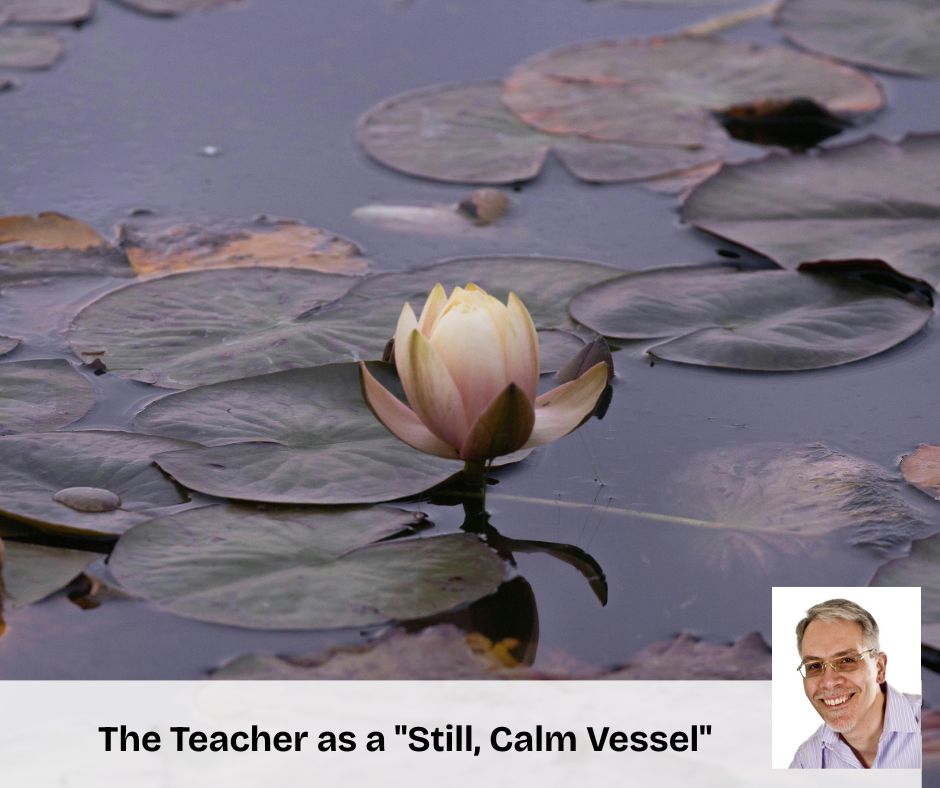
In a world obsessed with performance, with dazzling displays and elaborate rituals, it’s easy to fall into the trap of believing that a great Reiki teacher must be a charismatic orator, an energetic showman, or a walking encyclopedia. But here’s the truth: your most powerful teaching tool isn’t your words, your props, or even your carefully memorised manual. It’s your cultivated inner composure, your mindful presence: the quiet, unwavering peace that radiates from a truly “still, calm vessel.”
Now, this concept is deeply rooted in authentic Japanese-style Reiki. Mikao Usui’s system wasn’t about theatrical performance; it was about personal perfection and the continuous, gradual evolution of one’s inner being. It was about becoming a clear channel, not just for energy, but for peace, clarity, and intuitive wisdom. The subtle energetic atmosphere you create as a teacher, through your own state of being, is absorbed by your students far more deeply than any verbal instruction.
So, why is being a “still, calm vessel” so powerful, and how does a teacher cultivate this state?
Firstly, your daily self-practice is the bedrock of this inner composure. This isn’t just a ritual; it’s your personal laboratory for cultivating stillness, for processing your own “baggage,” and for constantly refining your connection to the energy. When you consistently work on yourself, when you dedicate even 10 or 20 minutes a day to Hatsurei Ho, to self-treatment, to simply sitting in silence and feeling the energy, you are building an inner reservoir of peace and clarity.
This is the Kaizen of Reiki in action – continuous, gradual improvement that builds a powerful cumulative effect.
Next, embody the Reiki precepts not just as rules, but as lived experiences. “Just for today, do not anger, do not worry.” When you genuinely strive to live these precepts, you naturally cultivate a state of non-judgement and present-moment awareness. You can face unexpected questions in class, or a sudden technological glitch, not with frustration, but with a grounded calm. Your students observe this, and it teaches them resilience and acceptance far more effectively than any lecture. When you extend “compassion to yourself and others,” you create a safe, non-judgemental space that allows students to relax, ask “silly” questions, and truly learn.
By the way, the only “silly” question is the one that you didn’t ask.
Furthermore, it’s about getting your mind out of the way. As a teacher, it’s easy to overthink, to worry about delivering the “perfect” lesson, to strive for an unattainable ideal. But this mental clutter, this inner “busyness,” creates static. The true power lies in allowing your authentic presence to shine through. Trust that the energy, and your own innate wisdom, will guide you. When you let go of the need for rigid control and simply allow yourself to be a clear channel, your words flow more intuitively, your demonstrations are more effortless, and your presence becomes profoundly calming.
The impact of being a “still, calm vessel” on your students is immense:
It creates a safe learning environment: Students feel energetically held and supported, making them more receptive to learning and more willing to be vulnerable.
It models authenticity: They see a teacher who embodies what they teach, reinforcing the power of self-practice and the precepts.
It promotes intuitive learning: Your calm presence helps them quiet their own minds, allowing them to better feel the energy and trust their own subtle sensations.
It reduces overwhelm: Your composure helps to ground the learning experience, preventing that “drinking from a fire hose” feeling.
Ultimately, cultivating yourself as a “still, calm vessel” is not about being a perfect, emotionless robot. It’s about a profound commitment to your own growth, to living the principles you teach, and to understanding that your inner state is your most potent offering. It’s about liberating yourself from the pressure to perform, and simply being the peace you wish to share.
Over to you: What’s one aspect of your own self-practice that you feel most contributes to your inner composure, and how do you notice that peace radiating into your interactions with others? Share your thoughts below!